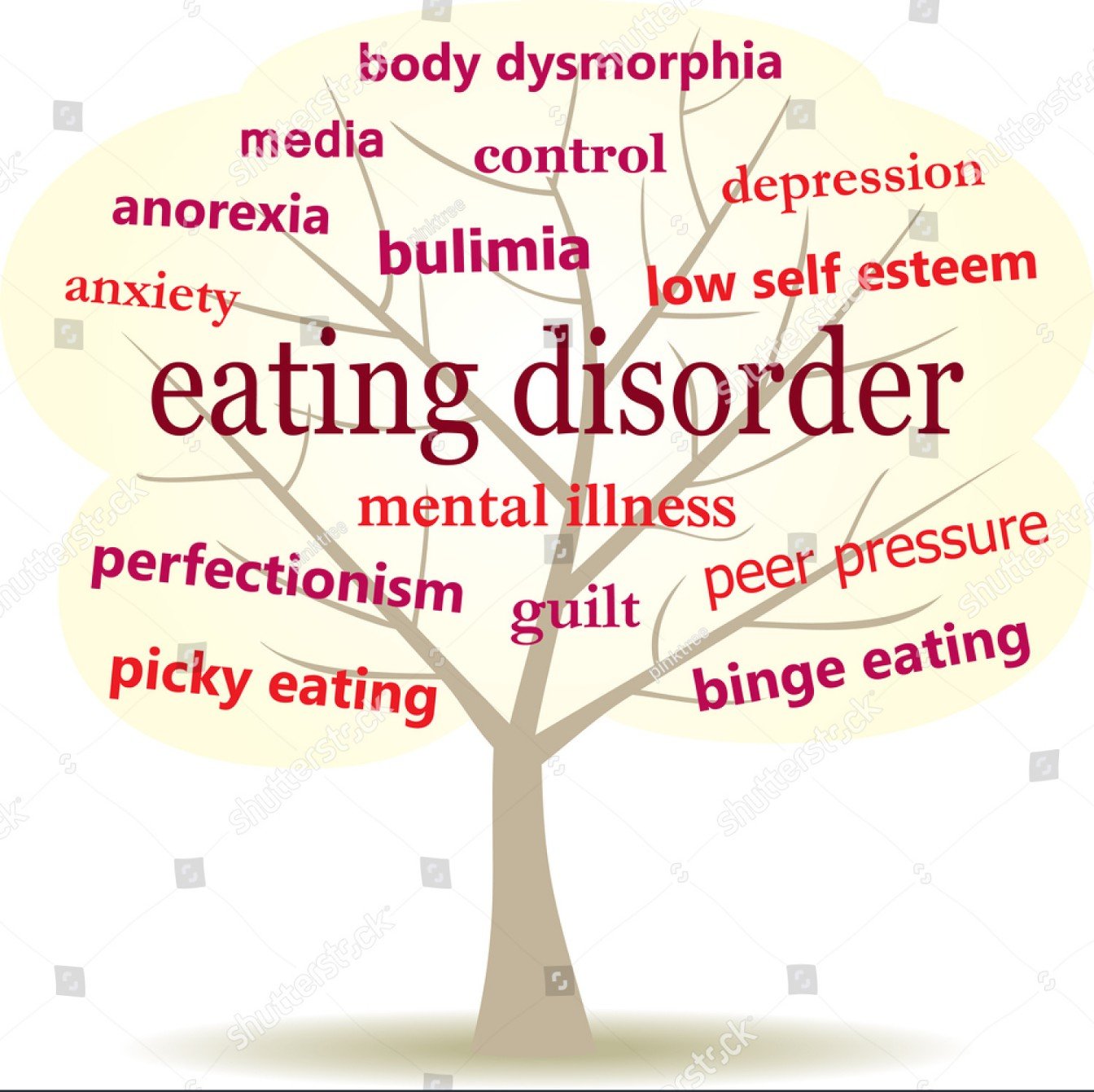
Food has been categorized as the most important thing in people’s lives. It has been the norm that one has to take food at least thrice in a day; breakfast, lunch and dinner ensuring that it is a balanced diet without the exception of proteins, carbohydrates and vegetables. Nutritious food plays a vital role in promotion of health and disease prevention.
Eating disorders in this case are described as illnesses that are characterized by irregular eating habits and severe distress or concern about weight or shape. Eating disorders are a range of conditions expressed through abnormal or disturbed eating habits.
Many are times we get hungry in between meal times and the option we have is to make a snack. Sometimes we end up making these snacks at wee hours of the night, say 12 am. by calling it a midnight snack .
There are currently six known eating disorders. Although most people assume that these disorders are common in the West. In this article however, we shall talk about the three most common.
The first being Anorexia Nervosa. Most people with Anorexia consider themselves overweight while in real sense they are underweight.
They tend to avoid certain food claiming they are watching on calories. However, with time, they tend to have thinning of bones, brittle hair and nails as side effects.
The other type is Bulimia Nervosa. People with bulimia frequently eat unusually large amounts of food in a relatively short period. They tend to binge eat food they normally avoid and due to the fear of gaining weight, they purge to compensate for the calories consumed.Some of the purging behaviors include a forced throw up and Extreme exercise.
Binge eating is the third type whereby people typically eat unusually large amounts of food in relatively short periods of time and usually feel a lack of control during binges. They often do not feel like they need to restrict themselves with the calories. People in this category are at a risk of getting medical complications like heart disease or diabetes.
Pica is another eating disorder that involves eating things that are not considered food. For instance chalk, soil and ice. People in this category may include pregnant women and people suffering from a mental illness.
In a research done in 2010, most people who were obese had a 55% increased risk of developing depression while people who are depressed had a 58% increased risk of being obese.
Another study done by Courtney Howard in 2004, tends to compare the prevalence of eating disorders in Western and non-Western countries has found that rates are lower in non-Western regions but are steadily rising. Hence, researchers attribute this to urbanization and changing social climates.
Stay tuned for part two of this.
 SIMPLY JOJO